The Florentine Vase: A Treasure of Chemical Glassmaking and Distillation
The Florentine vase is a highly significant piece of chemical glassware, renowned for its functionality and beauty. This article will explore the unique characteristics of the Florentine vase, its use in the distillation of essential oils, and its fundamental role in chemistry laboratories. Discover how this instrument not only fulfills scientific needs but also becomes a fascinating collector's item.
What is the Florentine Vase?
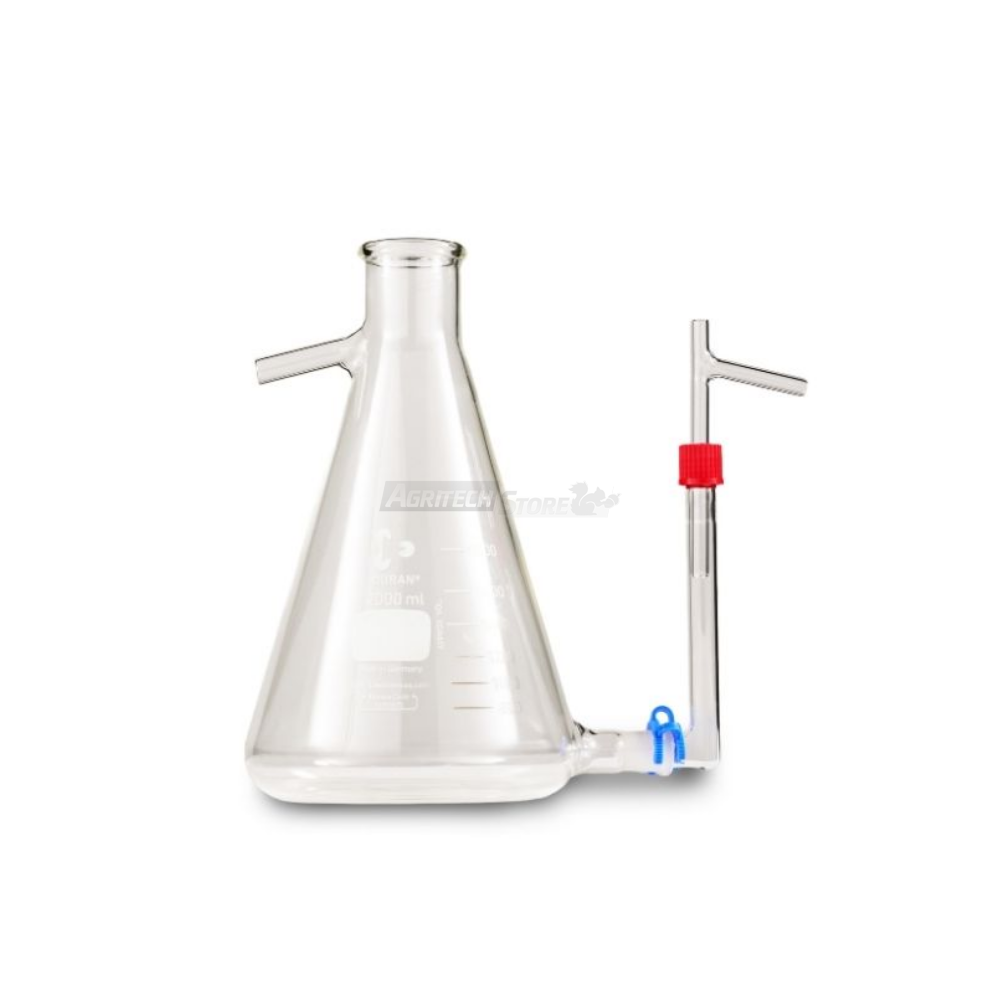
The Florentine jar is a borosilicate glass vessel designed to facilitate steam distillation with essential oil extractors . Featuring a distinctive shape with an elongated neck, it is ideal for separating volatile substances from their matrices. Its structure allows for excellent thermal resistance, making it a reliable companion in chemical processes.
Properties of Borosilicate Glass
Borosilicate glass, used in the production of the Florentine vase, is renowned for its resistance to thermal and chemical shock. This type of glass minimizes the risk of breakage during temperature changes, making it perfect for laboratories and industrial applications. Furthermore, it offers optimal clarity, allowing for observation of the distillation process in progress.
Using the Florentine Vase in the Distillation of Essential Oils
In the distillation of essential oils, the Florentine vessel plays a crucial role. Thanks to its ability to maintain high temperatures without compromising the quality of the materials treated, it allows for the effective extraction of aromatic essences. Steam distillation is a common technique that uses this instrument to obtain pure and concentrated oils.
Different Types of Florentine Vases
Florentine vases come in various sizes and shapes on the market. Some models come with accessories such as decanter funnels or vapor-conducting tubes, making each set unique and suited to specific experimental or artistic needs. Choosing the right Florentine vase will depend on the desired application and the volume of materials to be treated.
Chemical and Laboratory Glassware
In chemical glassware, the Florentine flask is an indispensable tool. Laboratories conducting chemical synthesis or qualitative analysis of compounds cannot do without the appropriate glassware. The Florentine flask not only improves process efficiency but also contributes to operational safety thanks to the robustness of borosilicate glass.
Tips for the Safe Use of the Florentine Vase
- Always keep the container clean before use.
- Avoid sudden temperature changes during operations.
- Use protective gloves when handling hot materials or chemicals.
- Ideal for 150 litre and 280 litre extractors.